

Dentist appointments can vary significantly in duration based on several factors inherent to the patient’s needs, the procedures being performed, and the clinic’s operating protocols. Whether a patient is there for a routine cleaning or a more advanced procedure such as a crown placement or dental implant surgery, the time spent in the dental office is influenced by disease management, oral hygiene maintenance, and the overall efficiency of the dental practice. In many cases, dental appointments are scheduled to accommodate procedures ranging from a simple checkup to emergency treatment for toothache or injury. While dental hygienists and dentists strive to streamline patient flow, scheduling conflicts, clinical emergencies, or complexities in treatment may extend appointment times. Furthermore, considerations such as dental insurance verification, the patient’s history of tooth decay, or previous dental procedures can play a role in determining appointment length. This article explores the various factors that influence the duration of a dental visit, the differences in timing between preventive care and more intricate surgical procedures, and strategies that patients can employ to manage their time effectively during appointments. Understanding these aspects can help patients better prepare and set realistic expectations regarding their dental care visits.
Transitioning from this general overview, the following sections delve deeper into the key factors that determine how long a dentist appointment takes.
Factors That Influence Dentist Appointment Duration
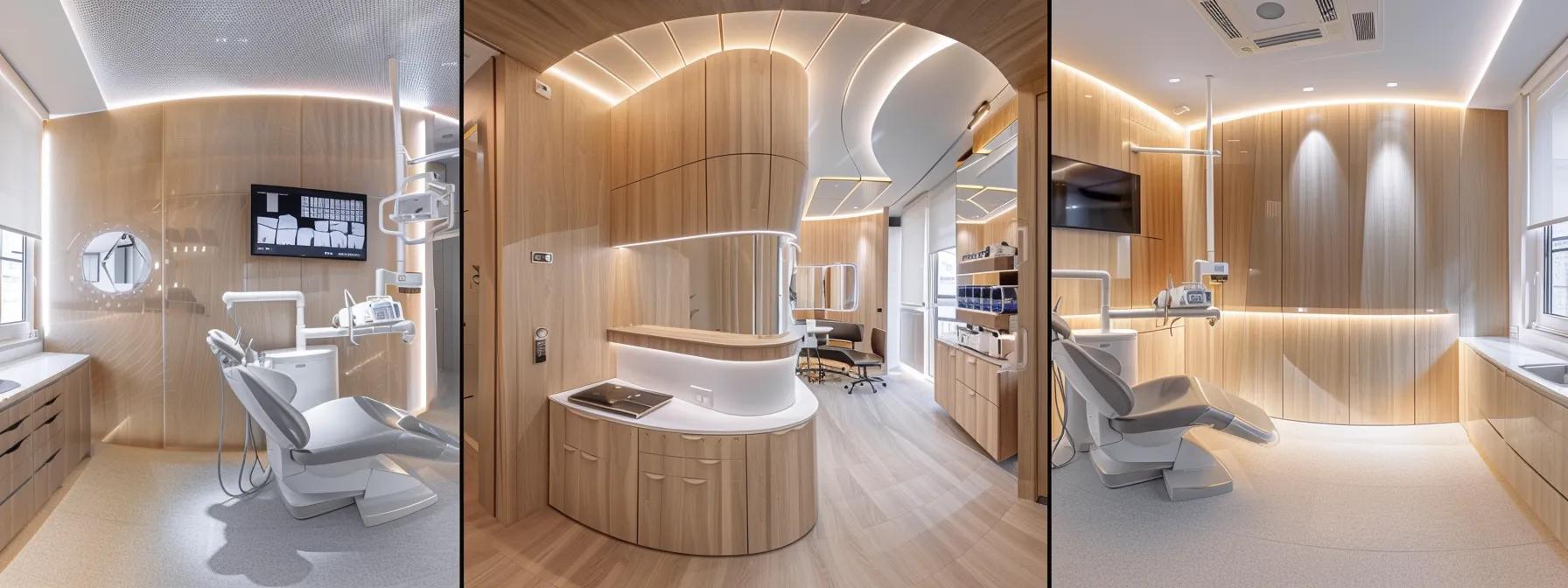
Understanding the duration of a dentist appointment begins with analyzing multiple factors that directly impact the time required for treatment. One of the primary influencers is the type of dental service being provided. Whether it is a routine cleaning, an emergency extraction, or cosmetic dentistry such as veneers and crowns, each procedure has its own set time requirements. In many clinics, procedures that require intricate work such as dental implants, endodontic treatments (root canals), or even simple fillings for tooth decay may involve preparatory stages, detailed precision work, and follow-up instructions.
The Impact of Service Type on Appointment Length
The service type is a critical determinant because more complex procedures take longer to complete. For instance, a basic dental cleaning might last 30 to 45 minutes, whereas procedures like placing a crown, dental implant surgery, or prosthodontic work can extend the appointment up to two hours or more. Studies have found that advanced surgical procedures benefit from pre-procedure diagnostic testing and intra-operative care, thereby increasing the appointment duration. Dental clinics that handle a wide range of services must often factor in the potential overlap of treatments and emergencies. Additionally, the distinction between a simple restorative procedure and more complex cosmetic dentistry affects the time needed not only in execution but also in the planning and follow-up phases. Such nuances are critical, especially when patients are managing conditions like periodontal disease or chronic toothache that require meticulous work.
The Role of Clinic Workflow and Scheduling Policies
Efficient scheduling and workflow within a dental clinic are crucial components that impact appointment durations. Clinics with state-of-the-art technology may integrate digital imaging and electronic dental records to accelerate the consultation and treatment planning process. Moreover, clinics that adopt a systematic patient flow—where administrative tasks such as insurance verifications and patient paperwork are completed before the treatment starts—tend to reduce waiting times and overall appointment length. For example, clinics that have experimented with pre-appointment online check-ins often report a 15% decrease in appointment time, allowing more focus on preventative and restorative care. In contrast, clinics with manual paperwork processing may inadvertently extend the patient’s time in the office. A streamlined workflow helps to balance the operational pressures in busy practices, ensuring that procedures such as radiology or cosmetic consultations flow seamlessly into treatment sessions.
How Treatment Complexity Affects Timing
Treatment complexity is another vital aspect that contributes to the length of a dental appointment. Simple treatments like routine examinations generally require less time compared to multifaceted procedures such as multi-rooted extractions or the placement of multiple crowns. The degree of complexity can further be affected by the patient’s medical and dental history. For example, patients with a history of chronic dental disease, multiple restorations, or complicated bone structure may need more extensive diagnostic evaluations. In certain cases, if the patient is undergoing advanced dental treatments like prosthodontics or surgical implants, additional factors such as sedation or specialized anesthetic protocols need to be incorporated, leading to a longer session. Each layer of complexity is carefully managed by the dental team, which might include specialists such as oral surgeons or periodontists, to ensure thorough care and reduce the likelihood of invasive complications or the need for repeat appointments.
Patient Health History and Appointment Preparation
The preparation for a dental appointment often starts well before the patient steps into the clinic. A patient’s general health history, including systemic diseases like diabetes or heart conditions, can significantly alter the treatment timeline. For example, individuals with compromised immune systems might require additional screenings and consultations to prevent complications during procedures. Dental appointments for these patients might include extensive reviews of previous treatments, medication logs, and insurance verifications to ensure that all risks are managed effectively. This preparation process can add time to the overall appointment duration but is essential for a safe and effective treatment. Furthermore, patients with a history of dental anxiety or those requiring sedation must allocate additional time for pre-procedure relaxation and post-procedure recovery. These considerations highlight the importance of personalized treatment protocols that adapt to the unique health histories of patients, which not only ensures a higher quality of care but also manages time more efficiently during busy clinical hours.
Variations in Appointment Length for Different Dental Procedures
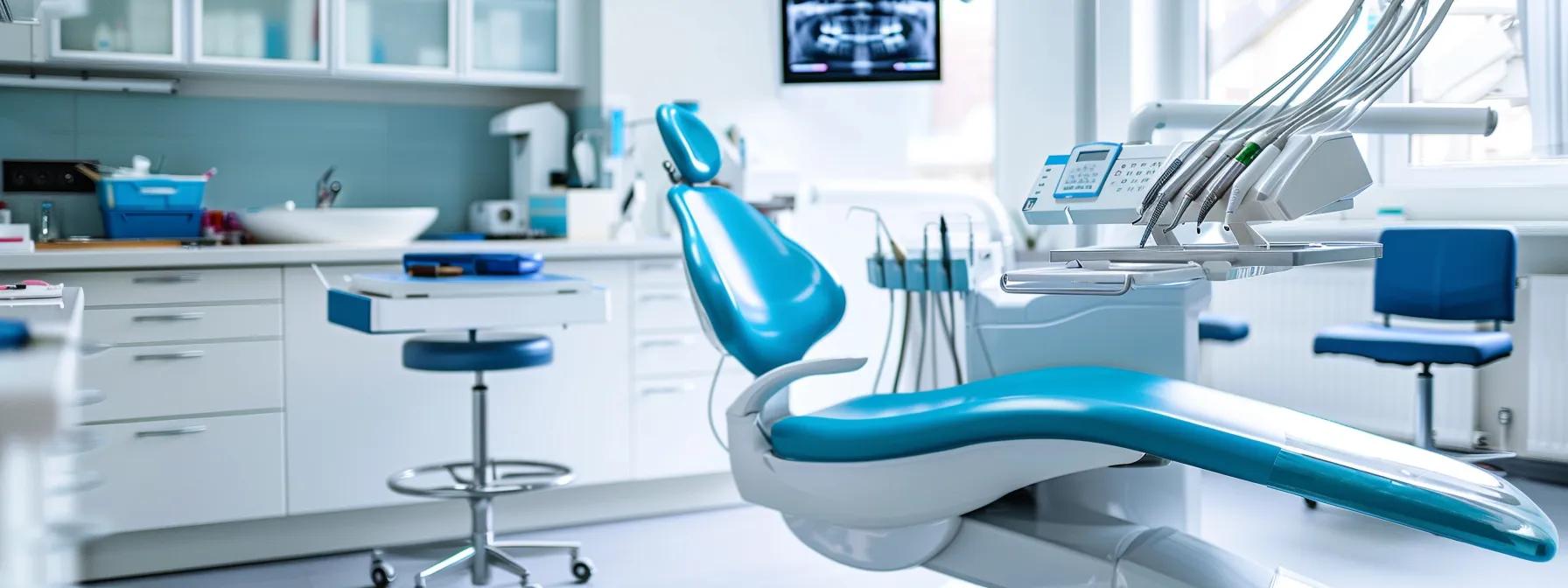
The length of a dentist appointment can vary considerably depending on the dental procedure being performed. Not all treatments are created equal—ranging from quick preventive visits to more elaborate restorative or surgical interventions. Understanding these differences is crucial for both patients and dental professionals when scheduling appointments and managing expectations.
Routine Checkups and Cleaning Sessions Timing
Routine checkups, including examinations and dental cleanings, are typically the shortest appointments, often lasting between 30 to 45 minutes. During these sessions, dental hygienists or dentists examine the patient’s teeth for signs of decay, gum disease, or other oral pathologies while also performing professional cleaning procedures. These preventive appointments are essential to maintain oral hygiene and are scheduled more frequently, usually every six months, to prevent long-term dental issues. Professional cleaning not only removes plaque and tartar but also educates patients on maintaining good oral hygiene practices at home. In many cases, the emphasis on disinfecting and polishing the teeth plays a pivotal role in reducing the incidence of cavities and gum disease. With modern equipment like ultrasonic scalers and digital imaging, these appointments become more efficient, and often, additional procedures, like fluoride treatment or sealant applications, are seamlessly integrated without significantly increasing the overall duration.
Time Requirements for Restorative and Cosmetic Treatments
Restorative procedures such as fillings, crowns, and bridges usually require more time than routine cleanings. These treatments address issues such as tooth decay, fractures, and aesthetic concerns. For example, when a crown is indicated, the appointment might initially last about 60 to 90 minutes to cover the tooth preparation, impression taking, and temporary crown placement before the final restoration is delivered in a subsequent appointment. Dental fillings for cavities are relatively shorter but can extend if the decay is extensive. Newer methods in digital dentistry, like CAD/CAM technology, are increasingly reducing the time required for these procedures by enabling same-day crowns in some cases. Cosmetic dentistry procedures, including veneers and teeth whitening, are also known to increase appointment times. Veneers typically require multiple visits, with each session lasting up to 90 minutes; these are vital in repairing structural weaknesses from decay or trauma while also improving the aesthetics of the mouth.
Procedures Involving Sedation or Anesthesia Timing
Procedures that necessitate sedation or anesthesia—such as wisdom tooth extraction, oral surgery, or extensive restorative work—can notably prolong a dental appointment. In these instances, additional time is devoted to pre-treatment assessments, obtaining consent, and the actual administration of sedation. Sedation dentistry not only improves patient comfort but also allows dental professionals to work more efficiently during complex procedures, thereby reducing patient movement and potential complications. However, sedation requires careful monitoring, and post-sedation recovery can extend the overall appointment. Research published in the Journal of Oral and Maxillofacial Surgery (Smith et al., 2020) suggests that patients receiving sedation may require an additional 15 to 30 minutes of post-procedure observation to ensure safety and stability before discharge. This supplementary time is essential, especially for patients with underlying health issues that might influence their response to anesthesia, thereby impacting the overall time spent at the clinic.
Differences Between Emergency and Scheduled Care Durations
Emergency dental care introduces another variable in appointment length. Patients presenting with acute toothache, fractures, or severe infections often require immediate attention. Such appointments may be unscheduled and can vary widely based on the urgency of the situation. In contrast to routine or elective procedures, emergency visits may involve rapid diagnosis and treatment, which can range between 30 minutes to over an hour depending on the severity. For example, patients visiting the emergency department of a dental clinic with an abscess may need time for drainage, antibiotic prescriptions, and pain relief management, which can extend the appointment. Clinics that prioritize emergency care must be flexibly scheduled to handle both planned and unforeseen cases. This adaptability often necessitates longer wait times or more comprehensive evaluations to ensure that acute dental conditions are properly managed. Additionally, the integration of radiological examinations, blood tests for infection markers, and consultation with medical professionals further adds to the overall time required for emergency dental care.
How Pre-Appointment Preparations Shape Appointment Timing

Pre-appointment preparations are a critical component that shapes the duration of a dental visit. From the moment a patient books an appointment to the actual treatment, several preparatory activities can either shorten or lengthen the overall experience. These preparations ensure that the clinical staff is fully informed of the patient’s dental history, current condition, and any specific requirements that may impact the procedure.
Completing Necessary Paperwork and Insurance Verifications
Before an appointment even begins, patients are often required to complete various forms and undergo insurance verification. Completing medical and dental history questionnaires, updating personal information, and verifying dental insurance coverage are routine processes that can add a significant amount of time if not managed efficiently. In modern dental practices, many clinics now encourage patients to complete these forms online before their visit. This pre-check process has been shown to reduce appointment times by up to 20%, as patients arrive with the bulk of their paperwork already submitted. Insurance verification itself is a vital step; discrepancies or outdated information can delay the treatment process if the clinic needs to make additional phone calls or request further documentation. Moreover, when patients are required to update information about past treatments or new dental issues, the preparatory paperwork becomes vital for tailoring the upcoming procedure to their current needs. This paperwork not only informs the clinician about potential complications, such as allergies to sedatives or a history of gum disease, but also establishes a baseline for oral hygiene practices that are critical for preventive care.
Pre-Visit Consultations and Diagnostic Testing
Additionally, pre-visit consultations, which may occur via phone or in-person prior to the appointment, serve to align patient expectations with the planned treatment protocol. Diagnostic tests such as X-rays, digital scans, or intraoral photography are often requested ahead of time if a patient has a history of tooth decay or other dental pathologies. These tests help the dentist create an accurate treatment plan even before the patient enters the operatory. In some advanced dental practices, the results of diagnostic testing are reviewed during the appointment check-in, which further streamlines the consultation process. Such measures are particularly important when dealing with complex restorative procedures where precision is paramount. The integration of diagnostics in the pre-appointment phase enables a reduction in chair time significantly because the dentist is already aware of the underlying issues that need to be addressed. For example, using digital radiography for cavity detection not only reduces radiation exposure but also cuts down the time spent on traditional film processing and analysis.
Adjusting to Personal Health Conditions and Dental History
A patient’s personal health conditions and detailed dental history are integral to shaping the dental treatment approach. Patients with chronic conditions such as diabetes, heart disease, or autoimmune disorders require tailored treatment plans and might need more thorough review sessions before the actual procedure begins. This personalized approach not only ensures safer outcomes but also extends the duration of the appointment due to the need for careful monitoring. Patients may be asked to provide additional medical documents or recent laboratory results, which are then reviewed by the dental team before commencing treatment. This added layer of precaution is essential for preventing complications, particularly during invasive procedures such as dental implant surgeries or periodontal treatments. The adjustment process also involves educating patients on what to expect during and after the procedure, including details on pain management and follow-up care. A well-prepared patient who understands the steps involved in their treatment is better able to cooperate during the procedure, ultimately leading to a more efficient appointment process.
Setting Clear Expectations With the Dental Team
Finally, clear communication between the patient and the dental team sets the stage for a smooth and time-efficient appointment. Prior to the actual visit, many dental practices provide consultation calls or online chat services to answer any patient queries regarding the procedure. This proactive engagement helps set realistic time expectations and reduces anxiety, which can otherwise lead to delays during the treatment. Clear expectations regarding aftercare, recovery times, and any necessary follow-up appointments also help to prevent misunderstandings that might extend the patient’s time in the clinic. This preparatory phase, although time-consuming initially, contributes to a more structured appointment where the dental team can focus solely on delivering the treatment without unexpected interruptions. Such an approach is crucial, especially in busy clinical environments where every minute counts and efficiency directly correlates with improved health outcomes and patient satisfaction.
The Influence of Clinic Efficiency on Dentist Appointment Duration
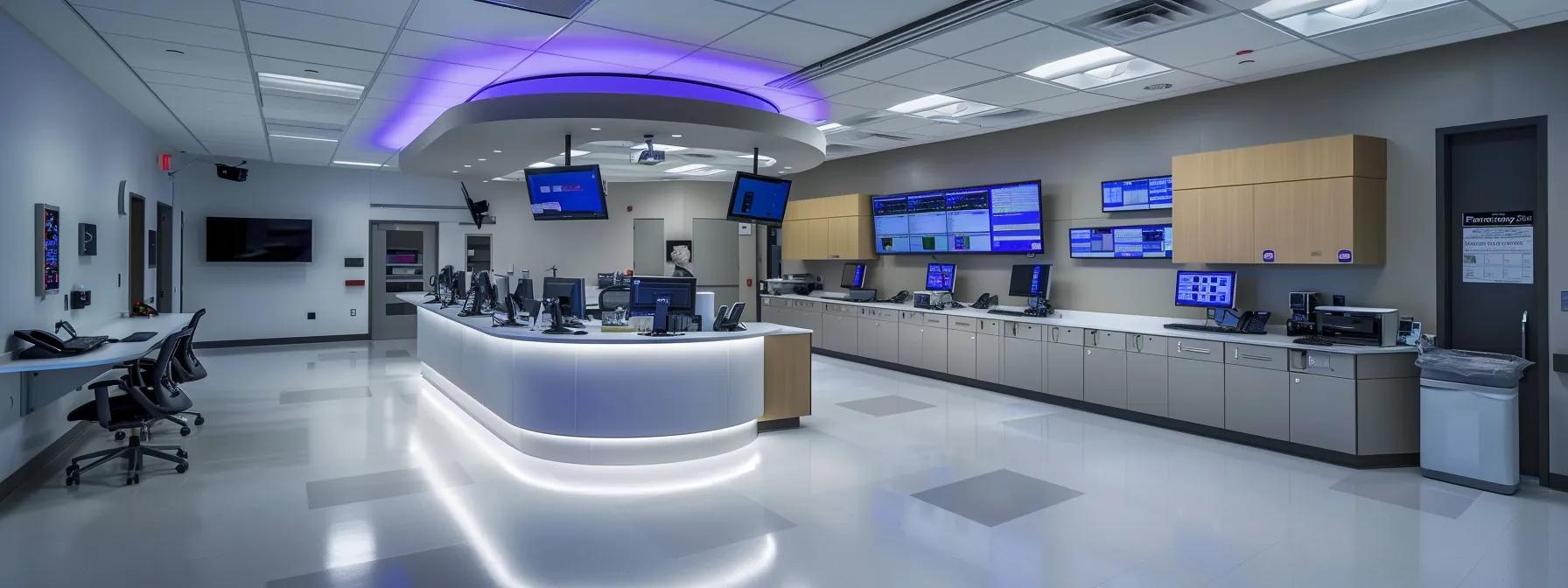
The efficiency of a dental clinic plays a pivotal role in determining how long a dentist appointment takes. Clinic efficiency encompasses several elements including administrative processes, the use of technology, coordination between team members, and the overall patient intake procedure. In a well-run clinic, streamlined operations lead to shorter appointments, allowing for better management of patient flow and reduced wait times. Conversely, inefficiencies such as outdated record-keeping systems or poor communication among staff can extend appointment durations considerably.
Streamlining Patient Flow and Administrative Processes
Streamlined patient flow begins the moment the patient enters the clinic. Modern dental clinics often utilize electronic health records (EHRs) to manage visitation histories, treatment protocols, and insurance verifications. When these administrative processes are optimized, the time required for gathering patient information and updating records is minimized. For instance, a clinic that integrates online appointment scheduling and pre-appointment digital check-ins reduces the physical paperwork burden on the day of the appointment. This results in a more efficient transition from waiting areas to treatment rooms. In addition, automated reminders and follow-up scheduling via text or email not only improve patient adherence but also reduce administrative backlogs that may otherwise slow the process. Research by the American Dental Association (ADA, 2021) indicates that dental practices employing advanced digital systems reduce patient wait times by an average of 12 minutes per appointment, significantly enhancing overall clinic efficiency.
Coordination Between Dental Professionals and Support Staff
Effective inter-staff coordination is another crucial element in managing dentist appointment duration. In efficient clinics, the dental team works in a synchronized manner, with clinicians, dental hygienists, and administrative staff following standardized protocols. Such coordination is particularly important during transitions in the treatment process—for example, when a patient needs to be moved from the waiting area to the examination room, or when the dental assistant preps the necessary instruments and materials before the dentist performs the procedure. Well-coordinated teams tend to minimize downtime between procedures, thus ensuring that each appointment adheres closely to its scheduled time slot. Daily briefings, real-time communication systems, and a shared digital workflow help the team anticipate needs and manage tasks without unnecessary delays. This systematic coordination not only enhances patient satisfaction but also boosts the overall throughput of the clinic, allowing more patients to receive timely care.
Utilizing Technology for Quicker Patient Intake
Incorporating technology into patient intake processes further streamlines dental appointments. Many clinics now employ digital intake forms, patient portals, and mobile applications for appointment booking and status updates. These technologies reduce the need for repetitive manual data entry and allow patients to provide comprehensive details about their dental and medical history before the visit. Additionally, digital diagnostic tools, such as intraoral cameras and computer-aided design/manufacturing (CAD/CAM) systems, speed up the evaluation and treatment planning stages. For example, the use of digital radiography not only expedites image capture but also allows immediate access to high-quality images for diagnosis. This rapid data transfer and analysis can reduce the time spent on traditional film processing and manual diagnostic evaluations. Such technological advancements play a significant role in shortening dental appointments, resulting in a more efficient patient experience while ensuring high-quality care.
Adaptations During Busy Clinic Hours
During peak hours or when multiple emergencies occur, clinics must adapt to maintain efficiency while not compromising care quality. Adaptive measures, such as scheduling buffer times between appointments or implementing urgent care protocols, help manage unexpected delays. When a dental clinic experiences high patient volumes, clear communication and dynamic scheduling adjustments become essential. For instance, during periods of increased patient demand, clinics might prioritize emergency cases by temporarily reassigning staff or opening additional treatment rooms. This flexibility ensures that even unscheduled emergencies are managed within a reasonable time frame. Moreover, clinics may deploy additional administrative support to handle queries and manage patient flow, thereby reducing stress on the dental team. These adaptations ultimately lead to a more resilient system that can absorb shocks without a significant extension in appointment duration, benefiting both the patients and the healthcare providers.
Real-World Insights on Appointment Timing in Dentistry
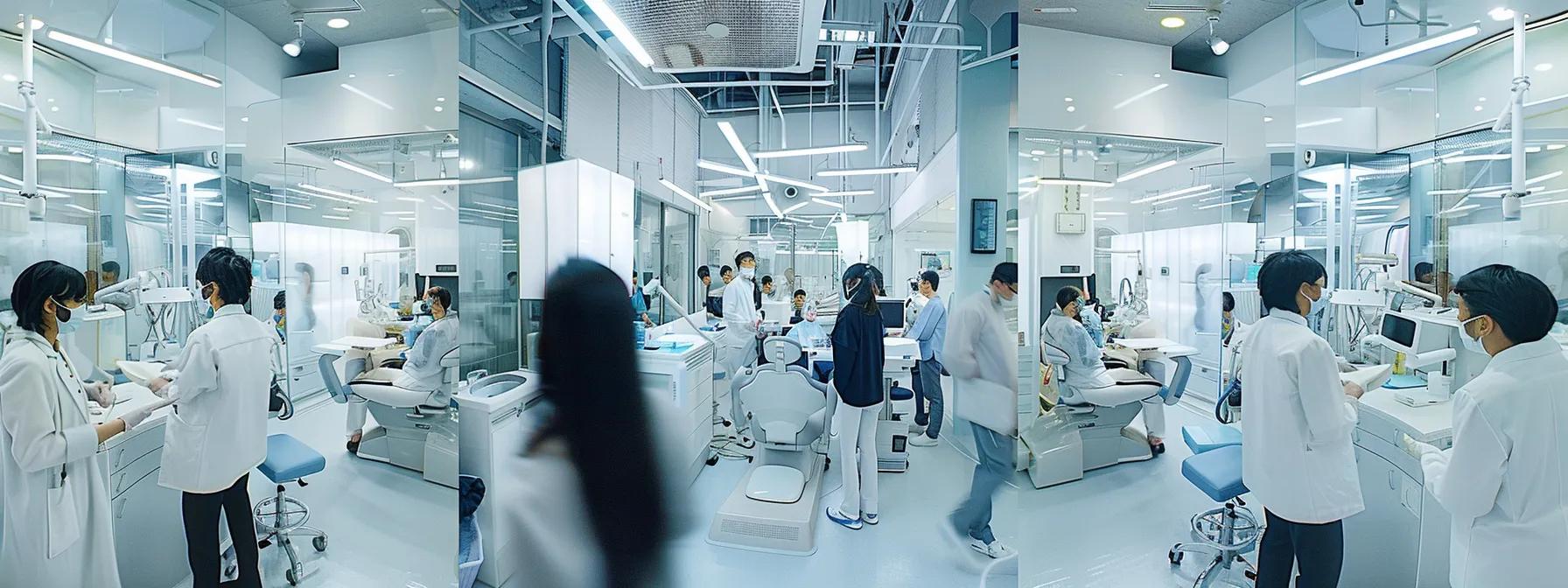
Real-world insights and patient experiences provide valuable context regarding typical dentist appointment durations across various procedures and practice settings. By examining case studies and observational research, dental professionals and patients can gain a deeper understanding of the underlying factors that affect the length of an appointment, from routine preventive care to complex restorative treatments.
Examples From Routine Preventive Care Sessions
In routine preventive care sessions, the typical appointment duration is well-documented. A study conducted by the Journal of Dental Hygiene (Lee et al., 2019) found that routine dental checkups and cleanings typically last between 30 to 45 minutes. The study recorded that patients with no significant dental issues generally required minimal chair time due to the streamlined process of examination, cleaning, and patient education on at-home oral hygiene practices. In these sessions, dental hygienists play a crucial role by using ultrasonic scalers, polishing devices, and high-speed suction systems to efficiently remove plaque and tartar. Patients who adhere to regular checkup schedules experience quicker procedures, as the dental team can rely on historical data to tailor the session’s duration and focus areas.
Timelines Observed in Complex Dental Treatments
On the other end of the spectrum, complex dental treatments such as restorative procedures, periodontal surgeries, and implant placements demonstrate significantly varied timelines. For example, a clinical audit by the American Association of Oral and Maxillofacial Surgeons (2020) reported that procedures involving dental implants could extend from 90 minutes up to three hours, particularly when factoring in the time for local anesthesia, bone grafting, and suturing. Similarly, patients receiving multiple crowns or bridging treatments might necessitate several appointments, each lasting anywhere from one to two hours, depending on the intricacies of tooth preparation and the overlay of digital restorations. These extended durations are further compounded if the patient requires pre-treatment diagnostics such as cone beam computed tomography (CBCT) scans. Real-world data thus underscores the importance of personalized scheduling and the integration of technology to minimize delays in complex dental cases while ensuring high standards of patient care.
Patient Experiences and Time Management Strategies
Patient feedback often highlights the importance of thorough pre-appointment communication and realistic expectations about treatment duration. Surveys conducted by dental associations reveal that patients who receive detailed pre-visit explanations are more satisfied with their overall experience, even if the appointment extends beyond the scheduled time. Time management strategies such as arriving early, completing digital paperwork beforehand, and having a clear understanding of the steps involved in the procedure can significantly impact the perceived waiting time. Many patients also report that knowing the potential for longer procedures—especially in cases involving sedation or multiple treatments—reduces anxiety and improves cooperation during the appointment. Such strategies not only facilitate a smoother appointment process but also contribute to better overall outcomes in dental care by ensuring that both the patient and the dental team are well-prepared.
Comparing Appointment Durations Across Different Practice Settings
Appointment durations can also vary widely based on the practice setting. Private dental practices, which often emphasize personalized care and take additional time to discuss treatment options, may have slightly longer appointment durations compared to large group practices or clinics affiliated with hospitals. For instance, a comparison report by the Dental Economics Journal (Garcia et al., 2021) found that private practices averaged 10-15% longer appointments due to their comprehensive consultation approach, whereas larger clinics focused more on high-volume patient care with standardized treatment protocols. Moreover, teaching hospitals may allocate extra time for student involvement or supervisory teaching moments, further extending the session duration. Understanding these variations helps patients choose the appropriate setting for their needs and allows clinics to align their scheduling practices with the expected patient load, ensuring a balance between efficacy and efficiency.
Strategies for Managing and Optimizing Your Dentist Appointment Time

Managing and optimizing dentist appointment time is critical for both patient satisfaction and efficient practice operations. With the increasing emphasis on preventive care and the rising complexity of clinical procedures, it is essential for patients to adopt strategies that minimize unnecessary delays. Effective time management not only improves the dental experience but can also positively impact the overall health outcomes by ensuring timely interventions and follow-ups.
Aligning Personal Schedules With Clinic Availability
One of the most efficient ways to manage appointment time is by aligning personal schedules with clinic availability. Patients are advised to book appointments during off-peak hours if possible, to avoid prolonged wait times that can occur during high-demand periods. Clinics often experience peak periods during mornings or lunch hours, which can lead to extended waiting times due to schedule backlogs. By opting for early morning or mid-afternoon appointments, patients can often reduce the time spent waiting before their treatment begins. Furthermore, aligning appointments with the clinic’s operational hours and the availability of key dental professionals helps streamline the process from the reception desk to the treatment chair. This practice not only diminishes idle time but also contributes to a smoother transition between different phases of the dental visit. Patients who are proactive in scheduling and communicate any time constraints with their dental providers are more likely to experience a well-organized and timely visit.
Planning for Possible Delays and Wait Times
Even with streamlined processes, unforeseen delays can occur during a dental appointment. Patients who explicitly plan for potential delays—whether due to additional diagnostic requirements, extended treatment modifications, or emergency cases—can adjust their expectations accordingly. A practical approach to managing delays includes scheduling buffer times between appointments and ensuring that important activities, such as work or personal engagements, are flexible enough to accommodate slight changes in timing. Being prepared to experience minor wait times minimizes frustration and enhances the overall experience. For example, patients are often encouraged to bring reading materials or digital devices to remain occupied during any unexpected waits. Additionally, some dental offices now offer real-time updates via text messages about expected delays or changes in the appointment schedule. This transparency not only builds trust but also allows patients to manage their external commitments better. Ultimately, a well-prepared patient is more adaptable, ensuring that even extended appointments do not translate into a negative or rushed experience.
Tips for Effective Communication With Dental Staff
Effective communication between the patient and the dental staff is pivotal when addressing concerns about time management. Patients should feel empowered to ask questions about the estimated duration of procedures, any necessary pre-procedure steps, and what to expect post-treatment. Open dialogue allows the dental team to provide precise information, which mitigates anxiety and sometimes adjusts the treatment plan to fit within the available timeframe. Additionally, patients who clearly communicate any specific time constraints or emergencies can enable the staff to prioritize treatments and offer alternatives that better suit their schedules. For example, if a patient has a limited time window due to work commitments, the dental team may propose shorter appointments or suggest a treatment plan that can be divided across multiple visits. Consistent, clear communication ensures that both the patient and the dental provider are synchronized, ultimately reducing the likelihood of unanticipated delays.
Adjustments Based on Treatment Type and Individual Needs
Every dental procedure has unique requirements, and adjustments based on the type of treatment and individual patient needs are essential for optimizing appointment time. For example, patients with more complicated conditions involving periodontal disease or advanced restorative work may require more in-depth consultations and longer post-treatment recovery time. Recognizing these individual differences allows the dental team to allocate the appropriate amount of chair time as well as comprehensive follow-up care instructions. Personalized treatment plans, which take into account the patient’s oral hygiene habits and overall health conditions, can dramatically improve efficiency while still maintaining high treatment standards. With advances in digital technology, many clinics can now tailor appointments based on real-time diagnostic data, allowing for on-the-spot adjustments to treatment protocols. This individualized approach not only enhances clinical outcomes but also ensures that patients receive the necessary attention and guidance without unnecessary delays.
Frequently Asked Questions
Q: What factors primarily impact the duration of a dentist appointment? A: The duration is influenced by the service type, clinic workflow, treatment complexity, and patient health history. Routine checkups are shorter, while complex procedures and emergency treatments require more time.
Q: How long does a typical preventive care appointment last? A: Preventive appointments, including routine checkups and cleaning sessions, typically last between 30 to 45 minutes but can vary based on additional treatments like fluoride application or sealants.
Q: Are appointments longer during procedures involving sedation or anesthesia? A: Yes, procedures with sedation or anesthesia require extra time for pre-assessment, administration, and post-procedure observation, often extending the visit by 15 to 30 minutes or more.
Q: How can patients help reduce their wait times at a dental clinic? A: Patients can complete online paperwork, book appointments during off-peak hours, and communicate any time constraints to the dental staff to help streamline the process.
Q: Do digital tools in dental clinics really improve appointment efficiency? A: Yes, technology such as electronic health records, digital imaging, and online scheduling can reduce the administrative burden and shorten the overall appointment time by ensuring seamless information flow.
Q: What should I do if my appointment seems to be taking longer than expected? A: It is advisable to ask the dental team for updates, as delays can be due to necessary procedural adjustments. Maintaining clear communication will help you understand the reason for any extended duration.
Key Takeaways
- Dentist appointment duration is influenced by the type of service, workflow, treatment complexity, and individual patient history.
- Routine checkups and cleanings typically take 30 to 45 minutes, whereas complex restorative procedures can extend beyond two hours.
- Pre-appointment preparations like online paperwork and insurance verifications can significantly reduce the duration at the clinic.
- Clinics employing modern technology and streamlined workflows improve efficiency, reducing wait times and ensuring patient satisfaction.
- Effective communication and flexible scheduling are essential strategies to manage and optimize dentist appointment time.
Final Thoughts
Efficient management of dentist appointment time not only benefits the patients but also enhances the overall workflow of dental clinics. By understanding the various factors—from service type and treatment complexity to pre-appointment processes and clinic efficiency—patients can set realistic expectations and contribute to a smoother experience. Both dental professionals and patients play critical roles in ensuring that each appointment runs as efficiently as possible. With continued advancements in technology and communication methods, managing dental appointment durations is likely to become even more precise and patient-friendly.
If you are looking to schedule a dental appointment, contact us here.