


Immediate Relief Near You
In dental emergencies, prompt care from providers such as Magnolia Dental can preserve your natural teeth and prevent prolonged pain or complications. Patients may face severe toothaches, injuries, or broken crowns that require urgent attention. This article outlines key aspects of emergency dental services, when you might need them, and offers guidance on finding immediate help. By the end, you will understand your options, available procedures, and essential aftercare tips to protect your dental investment.
What Are Emergency Dental Services and When Do You Need Them?
Emergency dental services provide immediate treatments to relieve severe pain and prevent further damage when standard dental appointments cannot quickly address urgent issues. Such care is necessary for extreme toothache, dental trauma from accidents, infections, or broken restorations that risk overall oral health.
What Conditions Qualify as a Dental Emergency?
A dental emergency exists when there is persistent pain, rapid infection spread, or impaired function. Conditions include severe toothaches, abscesses, knocked-out teeth, and broken or chipped teeth with associated pain, as well as injuries involving soft tissue or nerves. For example, a knocked-out tooth needs to be re-implanted ideally within one hour to preserve viability.
How Do Emergency Dentists Provide Immediate Pain Relief?
Dentists use methods such as local anesthesia, sedation, and minimally invasive procedures to provide rapid pain relief. A clinical examination and radiographic imaging help pinpoint the cause. Treatments can range from pain medication prescriptions to urgent procedures like pulpotomies or root canals that stop pain and prevent future complications.
What Types of Emergency Dental Procedures Are Available?
Emergency procedures include extractions, temporary crown repairs, root canals, and drainage of abscesses. For instance, a root canal removes infected pulp to relieve pain, while an extraction may be necessary if the tooth is unsalvageable. Temporary restorations can stabilize the situation until comprehensive treatment is feasible.
How Can You Find an Emergency Dentist Near You Open Now?

Finding a dentist available outside regular hours is crucial. Many clinics offer 24/7 services, ensuring prompt treatment. When searching online or consulting local directories, use verified reviews and trusted recommendations.
What Are the Benefits of 24/7 Emergency Dental Services?
These services ensure immediate care regardless of time, reduce waiting periods, manage pain quickly, and help prevent complications that may worsen without treatment. Patients often experience a faster recovery when treatment is provided at any hour.
How to Use Online Tools and Local Listings to Locate Emergency Dentists
Search for “emergency dentist open now” along with your location. Online directories, review platforms, and map services can efficiently direct you to nearby clinics. It is wise to call the clinic to confirm availability and receive preparation guidance.
What Should You Look for in an Emergency Dental Practice?
Consider the dental team’s credentials, the quality of equipment, and patient testimonials. The best clinics feature board-certified dentists, modern treatment options, strict infection control, and clear communication about costs and insurance acceptance. These factors help ensure safe and efficient emergency care.
What Should You Do Immediately During a Dental Emergency?
Immediate steps can reduce pain and improve prognosis. It is important to manage discomfort and prevent further injury until professional care is available. Self-administered measures, like rinsing with warm salt water and applying a cold compress, can help control bleeding and swelling.
How to Manage Severe Toothache Before Seeing a Dentist
For severe toothaches, use over-the-counter pain relievers, avoid extreme temperature foods or drinks, and gently rinse with warm salt water to reduce inflammation. Chewing on the affected side should be avoided to prevent additional irritation.
What Are the First Steps for a Broken or Chipped Tooth?
If a tooth is broken or chipped, save any fragments that might be reattached and rinse the mouth with warm water. Apply pressure with a clean cloth if bleeding occurs, and use painkillers if needed. Avoid hard foods and use a cold compress to reduce swelling until you can see a dentist.
How to Handle Lost Fillings or Crowns in an Emergency
Lost fillings or crowns can expose sensitive areas of the tooth. Temporarily cover the exposed area with a dental cement product available over the counter, avoid chewing on that side, and maintain gentle oral hygiene. Contact your emergency dentist promptly for proper repair.
What Are Common Emergency Dental Treatments and Their Benefits?
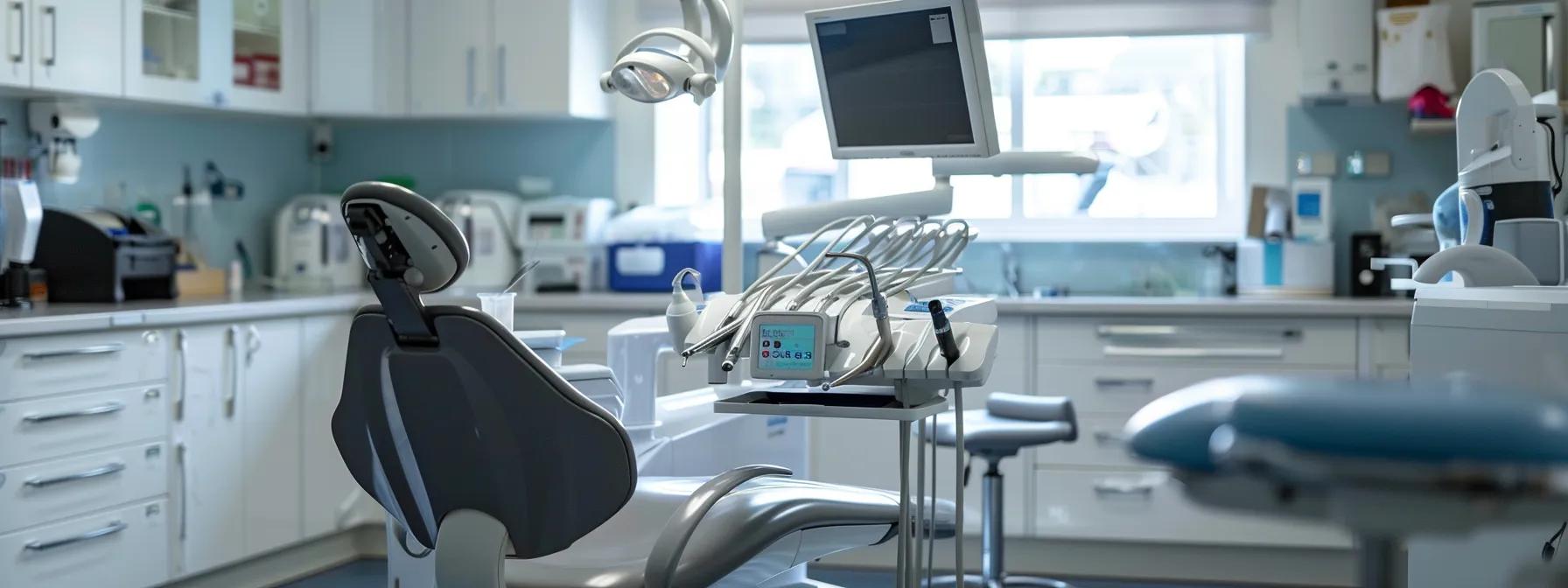
Emergency dental treatments are designed to relieve pain quickly and stabilize dental issues to prevent further complications. Understanding the benefits of each treatment helps patients make informed decisions during emergencies.
How Does an Emergency Root Canal Provide Pain Relief?
This procedure removes infected pulp from within a tooth to eliminate the source of pain and prevent infection. By sealing the tooth’s canals, the risk of reinfection is lowered, helping to preserve the natural tooth for long-term use.
When Is Tooth Extraction Necessary in an Emergency?
Extraction may be required when a tooth is too damaged to save. It quickly eliminates severe decay or trauma, stops spreading infection, and prevents complications such as abscesses. After extraction, a dentist might suggest dental implants or bridges to restore function and appearance.
What Are Emergency Dental Crowns and Bridges?
Temporary crowns and bridges protect damaged teeth and restore function until a permanent solution is implemented. These devices maintain bite alignment and prevent shifting of adjacent teeth, offering both aesthetic improvement and functional support during the interim period.
How Much Does Emergency Dental Care Cost and Is It Covered by Insurance?
The cost varies based on treatment type, location, and the pricing policies of the dental practice. Many clinics offer transparent pricing and flexible payment options. Prompt treatment can reduce the long-term expense of untreated dental issues.
What Factors Influence the Cost of Emergency Dental Services?
Cost factors include the urgency of treatment, procedural complexity, material expenses, and the clinic’s location. Advanced technology and highly skilled clinicians may also contribute to higher costs. Early treatment, however, can help lower overall expenses.
How to Find Emergency Dentists That Accept Your Insurance?
Confirm your dental insurance coverage and contact clinics ahead of your visit. Online tools can filter providers by accepted insurance plans, and it is best to ask about any co-payment or out-of-pocket fees when scheduling an emergency care appointment.
Are There Affordable Alternatives for Emergency Dental Care?
Options for more affordable care include clinics with payment plans, dental schools offering services at lower prices, or community health centers that reduce fees. Some practices provide discounts for uninsured patients or offer fixed-price emergency care packages.
What Are the Aftercare Tips Following Emergency Dental Treatment?

Proper aftercare promotes healing, reduces pain, and prevents complications. Following your dentist’s guidelines for care, including strict oral hygiene and dietary restrictions, is important to ensure the success of the treatment.
How to Manage Pain and Swelling After Emergency Procedures
Use prescribed medications and cold compresses to manage pain and swelling. Applying an ice pack for 15 minutes each hour during the first day or two can help reduce inflammation, while over-the-counter pain relievers provide additional comfort.
What Foods and Activities Should Be Avoided During Recovery?
During recovery, avoid hard, spicy, or hot foods that could irritate the treatment site. Opt for a soft diet comprising soups, mashed potatoes, and yogurt, and steer clear of activities that might strain the jaw or cause sudden movements.
When Should You Schedule Follow-Up Visits After Emergency Care?
A follow-up appointment within one to two weeks is recommended to assess healing, adjust the treatment if necessary, and plan for any subsequent restorative procedures such as permanent crowns or implants.
What Are Frequently Asked Questions About Emergency Dental Services?
Q: What Is Considered a Dental Emergency? A: Any condition causing severe pain, risk of infection, or impaired function—such as a knocked-out tooth, abscess, or severe trauma.
Q: How Quickly Should You See an Emergency Dentist? A: It is crucial to see an emergency dentist immediately, ideally within hours, to prevent worsening pain and complications.
Q: Can You Visit an Emergency Dentist Without an Appointment? A: Yes, many emergency dental clinics accept walk-in patients and offer 24/7 services.
Q: What Should I Do If I Have a Lost Crown or Filling? A: Use over-the-counter dental cement as a temporary fix, avoid chewing on the affected side, and contact an emergency dentist right away.
Q: Will My Dental Insurance Cover Emergency Procedures? A: Most dental insurance plans cover emergency procedures, though specifics vary. Check with your provider beforehand.
Table: Comparison of Common Emergency Dental Treatments
Before discussing treatment costs further, it is useful to compare common procedures and their benefits.
The table outlines each treatment option, highlighting benefits and expected outcomes for informed decision-making during emergencies.
Final Thoughts
Magnolia Dental in Portland, Oregon, offers expert emergency dental care designed to save natural teeth and relieve severe pain. With a comprehensive range of services—from root canals to temporary crowns—every urgent dental issue is addressed promptly. Act swiftly during a dental emergency, follow proper aftercare, and trust professional, round-the-clock care to safeguard your smile.