

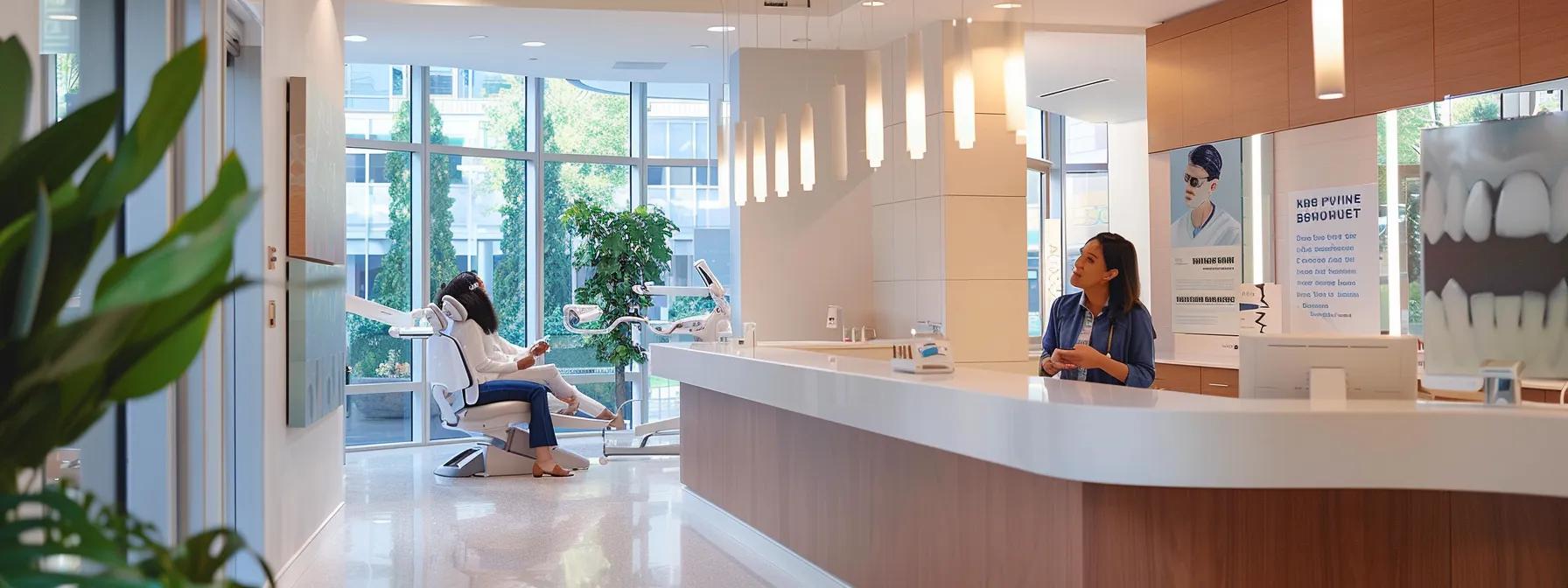
Finding a trustworthy dental professional, such as Magnolia Dental, is critical to maintaining your oral health and ensuring you receive top-quality care. With many options available and varying levels of expertise, selecting the right dentist can seem overwhelming. This article breaks down the process into clear steps, helping readers understand how to evaluate dentists using recommendations, background checks, office visits, and practical considerations. Whether you need regular check-ups or specialized procedures like gingivectomy or orthodontics, learning how to pick a good dentist will streamline your search and ease any anxiety related to dental appointments.
Initiating Your Search to Find a Good Dentist
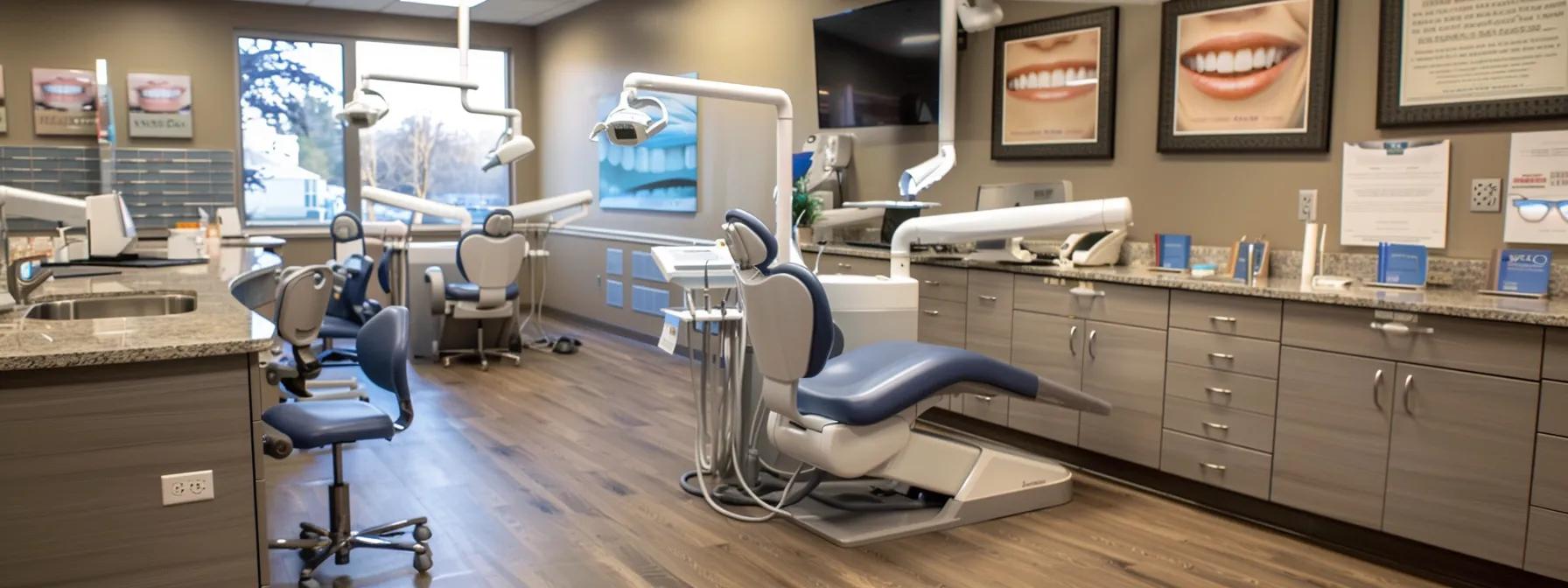
Begin your search by gathering recommendations from multiple trusted sources. Seeking recommendations from family, friends, and even healthcare professionals provides insight into a dentist’s reputation within the community. It is important to consider personal experiences and word-of-mouth referrals as patients often share details about dental hygiene, comfort during procedures, and overall office reputation.
Seek Recommendations From Trusted Sources
Reach out to family members, friends, and coworkers who have had positive experiences. Trusted sources may also include local healthcare providers who are familiar with dental ethics and treatment styles. A personal recommendation can offer honest insights into a dentist’s skill set, including their proficiency in procedures such as endodontics or cosmetic dentistry. This direct approach reduces uncertainty and helps you compile an initial list of good candidates.
Use Online Directories to Locate Dental Professionals
Online directories managed by reputable organizations like the American Dental Association offer searchable databases. These directories provide detailed information on dental certifications, specialties such as pediatric dentistry, and even patient reviews. Filtering your search by dental office accessibility and insurance acceptance ensures that the dentist can meet your specific practical needs like timely emergency treatments or in-office appointments.
Consult Local Dental Societies for Listings
Local dental societies can be a reliable source for verifying a dentist’s credentials. They often maintain updated listings of board-certified professionals and ensure that dentists adhere to a high ethical standard. These societies also host community events and seminars that might highlight the best practices in dental care, including advanced treatment techniques like laser dentistry.
Identify What Matters Most in Your Dental Care Provider
Before setting up consultations, it is essential to pinpoint your personal needs. Consider factors such as the type of dental services you require—from routine exams and cleanings to specialized procedures like dental implants and prosthodontics—and the approach to patient comfort. Understanding your priorities will help you narrow your list to dentists who excel in the areas most important to you.
Examining a Dentist’s Qualifications and Background
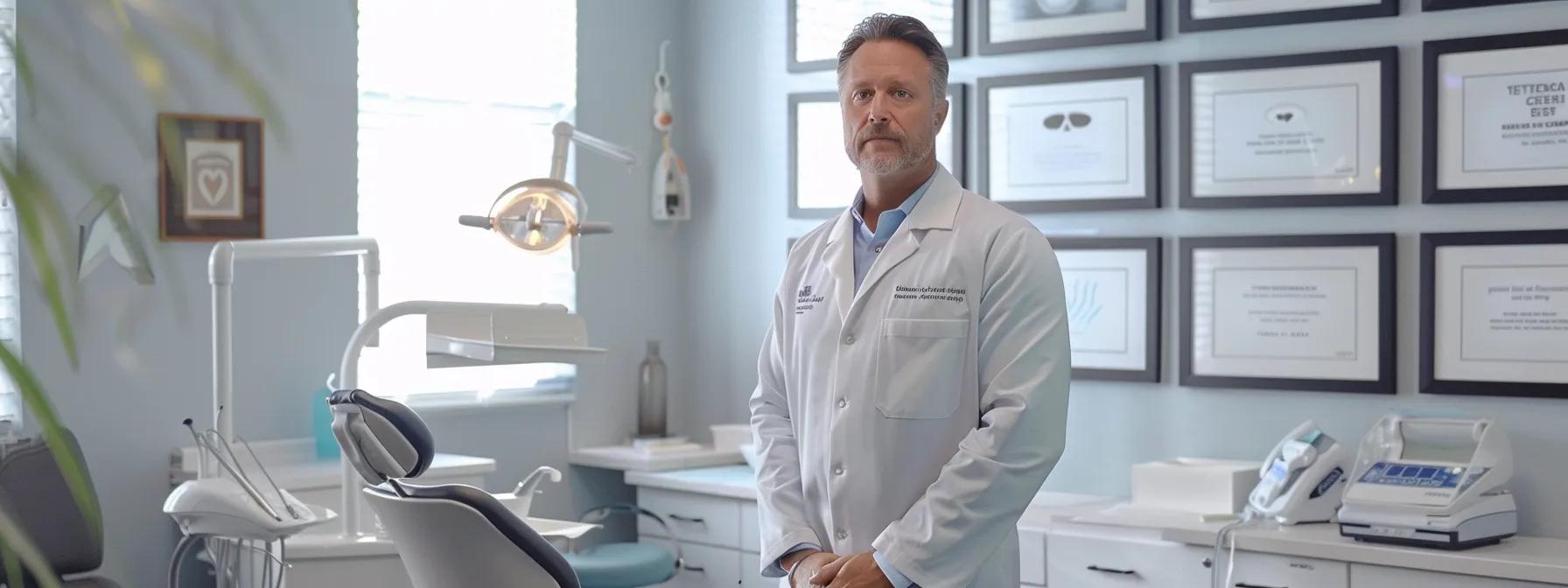
It is crucial to thoroughly examine a dentist’s background and qualifications to ensure they have the proper credentials and experience. This involves verifying current licensure, reviewing educational history, and confirming board certification, which collectively confirm that the dentist is both current and capable of performing complex procedures.
Confirm a Dentist’s Current Licensure
Always start by checking that the dentist’s license is valid and in good standing with state dental boards. A current license not only verifies their ability to practice but also reflects ongoing education and adherence to dental ethics. This confirmation can include using state online registries to cross-check certification details.
Review Their Educational and Training History
A dentist’s training background provides important context about their expertise. This review might include considering where they attended dental school, the extent of their residency programs, and any further specialization in fields like endodontics or orthodontics. The quality of dental school education and continuing education efforts is a strong indicator of a professional’s commitment to excellence.
Check for Board Certifications or Specializations
Board certification or additional specializations indicate that a dentist has chosen to advance their knowledge in specific areas, such as pediatric dentistry or cosmetic dentistry. This demonstrates a commitment to the highest standards of care. Certifications are critical when considering advanced procedures like dental implants or gingivectomy, ensuring that the professional has met rigorous testing and clinical performance demands.
Read Online Patient Feedback and Ratings
Patient reviews can highlight the dentist’s strengths and weaknesses from a real-world perspective. It is useful to read multiple reviews to obtain an overall picture of reliability and quality. These insights may mention appointment punctuality, office environment, or even experiences during complex treatments like root canals or prosthodontic repairs.
Ask About Their Experience With Specific Procedures
During consultations, ask targeted questions regarding their experience with the procedures you require. A dentist who frequently performs services, such as orthodontic treatments or dental implant installations, is likely to be more efficient and have better outcomes. This conversation provides assurance that they can competently handle your dental needs.
Evaluating the Dental Office and Atmosphere

The environment of a dental clinic plays an important role in your overall experience and comfort. A well-run office with modern equipment and a friendly atmosphere can significantly reduce patient anxiety and improve treatment outcomes.
Assess the Clinic’s Location and Office Hours for Convenience
Accessibility is key when planning for regular dental check-ups or emergency visits. Consider whether the dental office is conveniently located near your home or workplace and if the operating hours align with your schedule. This practical consideration is especially important for dental emergencies and routine cleaning appointments.
Observe the Office for Cleanliness and Modern Equipment
A first-hand visit to the clinic allows you to determine whether the facilities meet high standards of cleanliness and up-to-date technology. Modern equipment not only indicates that the dentist invests in current dental innovations but also suggests a commitment to providing effective treatments. Advanced technologies like digital x-rays and laser treatments are positives that correlate with improved patient outcomes and less discomfort.
Note the Professionalism and Demeanor of the Staff
The attitudes of the front office staff and dental assistants are reflective of the overall practice culture. A courteous, knowledgeable team contributes substantially to patient comfort. Observing how they handle appointments, answer queries about dental insurance, and manage patient concerns will help you gauge the level of service you can expect during your visits.
Inquire About the Use of Current Dental Technologies
Ask whether the office utilizes recent innovations in dental procedures, such as computer-assisted design, 3D imaging, or minimally invasive techniques. Such technologies can translate into more accurate diagnoses and better treatment planning. This also reassures you that the dental office is committed to ongoing improvement and patient safety, enhancing your overall experience.
Understanding the Dentist’s Patient Care Philosophy
Understanding a dentist’s patient care philosophy is essential to ensure that their approach matches your expectations, particularly regarding preventive care, comfort measures, and overall patient communication.
Arrange a Preliminary Meeting or Office Tour
A face-to-face consultation or office tour offers invaluable insights into the dentist’s practice. It is a chance to observe the interaction between the dentist and patients, to determine if the practitioner listens carefully to your concerns, and to see whether they create a welcoming environment that addresses fear and anxiety. During this meeting, you can also review the clinic’s patient education materials and office procedures.
Communicate Your Dental History and Apprehensions
Openly discussing any past negative experiences or fears can help the dentist tailor their approach to your individual needs. It is important that the dentist demonstrates empathy and a willingness to explain procedures, particularly if you have concerns related to past dental trauma or sensitivity to treatments like gingivectomy or endodontics.
Gauge Their Willingness to Listen and Answer Questions
Effective communication is crucial in building trust. The dentist should actively listen to your history and questions, providing detailed explanations about procedures, payment options, and how they handle emergencies. Clear explanations about the use of dental materials, like fluoride applications or the benefits of high-quality toothpaste, are essential for informed consent.
Ask About Their Approach to Preventive Dentistry
A proactive preventive care philosophy ensures that small issues are addressed before turning into major problems. This includes regular exams, cleanings, and personalized advice on maintaining oral hygiene. Ask about their strategy for early detection of issues such as tooth decay and the protocols followed to maintain overall dental health.
Understand How They Handle Patient Comfort and Anxiety
A compassionate, patient-focused approach is pivotal in relieving dental fear. Inquire about sedation options, comfort-enhancing practices, and any additional measures they take to reduce anxiety during procedures. A dentist who prioritizes patient comfort will have protocols in place to support you during both routine and invasive treatments.
Reviewing Practical Considerations for Dental Services

Practical issues such as payment methods, insurance acceptance, and scheduling policies are integral to ensuring seamless dental care. Addressing these logistical considerations early on prevents misunderstandings and unexpected costs later.
Verify Acceptance of Your Dental Insurance Plan
Before making an appointment, it is important to confirm that the dental office accepts your dental insurance. This verification helps avoid any discrepancies in billing and ensures that you can take full advantage of your health insurance benefits during treatments such as braces, crowns, or emergency procedures.
Clarify Payment Methods and Financing Options Available
Ask about various payment options including cash, credit, or financing plans. In today’s economic climate, many dental practices also offer preventive dental care plans that allow flexible installment options, making complex procedures like dental implants more affordable. Understanding payment policies prevents future financial stress and surprises at the time of billing.
Understand Procedures for Handling Dental Emergencies
An efficient system for addressing dental emergencies, such as severe tooth pain or trauma, is essential. Ask about after-hours services, emergency contacts, and how quickly the office can schedule urgent appointments. This insight will give you peace of mind knowing that you can access care when unexpected issues arise.
Get Details on Appointment Scheduling and Missed Appointment Policies
Review how appointments are scheduled and what the policies are regarding cancellations or no-shows. A clear understanding of these policies can help you avoid unnecessary fees and ensure that you maintain a consistent schedule for routine check-ups and necessary treatments.
Selecting the Right Dentist for Your Needs

The final step in your dental search involves comparing your shortlisted candidates and making a decision based on personal comfort, qualifications, and practical considerations. Reflect on your early visits, the professionalism displayed by the staff, and how well the dentist addressed your unique needs.
Reflect on Your Comfort Level With the Dentist and Staff
Your comfort level with the dentist and the office team sets the tone for future interactions. A positive first impression combined with clear communication and a friendly environment can significantly reduce dental fear. Trust your instincts when evaluating if the dentist’s practice aligns with your expectations for routine care or complex procedures like prosthodontics restorations.
Compare the Attributes of Your Shortlisted Dentists
Create a simple comparison list of the dentists you have met, noting key aspects such as board certification, patient reviews, insurance compatibility, and the overall atmosphere of the dental office. For example, list factors like: 1. Professional Reputation – Verified license, patient testimonials, and professional affiliations. 2. Technology and Comfort – Modern equipment, cleanliness, and patient comfort measures. 3. Financial Practicality – Insurance acceptance, payment plans, and emergency care readiness. This approach helps clarify which practice best meets your practical and personal needs.
Choose the Dental Professional Who Aligns With Your Requirements
After reflection and comparison, select the dentist who best combines technical expertise with a patient-centered approach. Ensuring that the selected dentist not only meets clinical standards but also creates a supportive environment is essential for maintaining long-term oral health.
The table above assists in a visual comparison of practical attributes that can guide your choice.
Final Thoughts

Selecting a good dentist involves a systematic review of recommendations, qualifications, office environment, and practical details like payment and insurance. This guide has outlined key steps—from gathering referrals and verifying credentials to evaluating the atmosphere and comfort level during consultations. By considering both clinical expertise and the human side of dental care, patients can make informed decisions that enhance their overall oral health. Take the time to research thoroughly and trust your instincts in choosing a dental professional who meets all your needs.
Frequently Asked Questions
Q: How can I verify a dentist’s credentials?
A: You can verify a dentist’s credentials by checking their current licensure on state dental boards, reviewing educational backgrounds, and confirming board certifications through professional dental associations.
Q: What should I ask during my initial consultation?
A: Ask about the dentist’s experience with specific procedures, their approach to patient care, emergency protocols, and details about accepted insurance and payment options.
Q: Are online reviews a reliable source for evaluating a dental office?
A: Yes, online reviews provide insights into patient experiences with the practice, but it’s best to consider multiple reviews and combine them with personal recommendations.
Q: How important is the dental office environment in my decision-making?
A: The office environment is very important as it affects your comfort, trust, and overall experience. A modern, clean setting with friendly staff can reduce anxiety and improve treatment outcomes.
Q: Can I change my dentist if I am not satisfied?
A: Absolutely. It is important to feel comfortable with your dentist, and if expectations are not met, you have the right to seek care from another professional who better aligns with your needs.