

Emergency Dentists Near Me for Instant Tooth Pain Relief

Immediate Relief Near You In dental emergencies, prompt care from providers such as Magnolia Dental can preserve your natural teeth and prevent prolonged pain or complications. Patients may face severe toothaches, injuries, or broken crowns that require urgent attention. This article outlines key aspects of emergency dental services, when you might need them, and offers guidance on finding immediate help. By the end, you will understand your options, available procedures, and essential aftercare tips to protect your dental investment. What Are Emergency Dental Services and When Do You Need Them? Emergency dental services provide immediate treatments to relieve severe pain and prevent further damage when standard dental appointments cannot quickly address urgent issues. Such care is necessary for extreme toothache, dental trauma from accidents, infections, or broken restorations that risk overall oral health. What Conditions Qualify as a Dental Emergency? A dental emergency exists when there is persistent pain, rapid infection spread, or impaired function. Conditions include severe toothaches, abscesses, knocked-out teeth, and broken or chipped teeth with associated pain, as well as injuries involving soft tissue or nerves. For example, a knocked-out tooth needs to be re-implanted ideally within one hour to preserve viability. How Do Emergency Dentists Provide Immediate Pain Relief? Dentists use methods such as local anesthesia, sedation, and minimally invasive procedures to provide rapid pain relief. A clinical examination and radiographic imaging help pinpoint the cause. Treatments can range from pain medication prescriptions to urgent procedures like pulpotomies or root canals that stop pain and prevent future complications. What Types of Emergency Dental Procedures Are Available? Emergency procedures include extractions, temporary crown repairs, root canals, and drainage of abscesses. For instance, a root canal removes infected pulp to relieve pain, while an extraction may be necessary if the tooth is unsalvageable. Temporary restorations can stabilize the situation until comprehensive treatment is feasible. How Can You Find an Emergency Dentist Near You Open Now? Finding a dentist available outside regular hours is crucial. Many clinics offer 24/7 services, ensuring prompt treatment. When searching online or consulting local directories, use verified reviews and trusted recommendations. What Are the Benefits of 24/7 Emergency Dental Services? These services ensure immediate care regardless of time, reduce waiting periods, manage pain quickly, and help prevent complications that may worsen without treatment. Patients often experience a faster recovery when treatment is provided at any hour. How to Use Online Tools and Local Listings to Locate Emergency Dentists Search for “emergency dentist open now” along with your location. Online directories, review platforms, and map services can efficiently direct you to nearby clinics. It is wise to call the clinic to confirm availability and receive preparation guidance. What Should You Look for in an Emergency Dental Practice? Consider the dental team’s credentials, the quality of equipment, and patient testimonials. The best clinics feature board-certified dentists, modern treatment options, strict infection control, and clear communication about costs and insurance acceptance. These factors help ensure safe and efficient emergency care. What Should You Do Immediately During a Dental Emergency? Immediate steps can reduce pain and improve prognosis. It is important to manage discomfort and prevent further injury until professional care is available. Self-administered measures, like rinsing with warm salt water and applying a cold compress, can help control bleeding and swelling. How to Manage Severe Toothache Before Seeing a Dentist For severe toothaches, use over-the-counter pain relievers, avoid extreme temperature foods or drinks, and gently rinse with warm salt water to reduce inflammation. Chewing on the affected side should be avoided to prevent additional irritation. What Are the First Steps for a Broken or Chipped Tooth? If a tooth is broken or chipped, save any fragments that might be reattached and rinse the mouth with warm water. Apply pressure with a clean cloth if bleeding occurs, and use painkillers if needed. Avoid hard foods and use a cold compress to reduce swelling until you can see a dentist. How to Handle Lost Fillings or Crowns in an Emergency Lost fillings or crowns can expose sensitive areas of the tooth. Temporarily cover the exposed area with a dental cement product available over the counter, avoid chewing on that side, and maintain gentle oral hygiene. Contact your emergency dentist promptly for proper repair. What Are Common Emergency Dental Treatments and Their Benefits? Emergency dental treatments are designed to relieve pain quickly and stabilize dental issues to prevent further complications. Understanding the benefits of each treatment helps patients make informed decisions during emergencies. How Does an Emergency Root Canal Provide Pain Relief? This procedure removes infected pulp from within a tooth to eliminate the source of pain and prevent infection. By sealing the tooth’s canals, the risk of reinfection is lowered, helping to preserve the natural tooth for long-term use. When Is Tooth Extraction Necessary in an Emergency? Extraction may be required when a tooth is too damaged to save. It quickly eliminates severe decay or trauma, stops spreading infection, and prevents complications such as abscesses. After extraction, a dentist might suggest dental implants or bridges to restore function and appearance. What Are Emergency Dental Crowns and Bridges? Temporary crowns and bridges protect damaged teeth and restore function until a permanent solution is implemented. These devices maintain bite alignment and prevent shifting of adjacent teeth, offering both aesthetic improvement and functional support during the interim period. How Much Does Emergency Dental Care Cost and Is It Covered by Insurance? The cost varies based on treatment type, location, and the pricing policies of the dental practice. Many clinics offer transparent pricing and flexible payment options. Prompt treatment can reduce the long-term expense of untreated dental issues. What Factors Influence the Cost of Emergency Dental Services? Cost factors include the urgency of treatment, procedural complexity, material expenses, and the clinic’s location. Advanced technology and highly skilled clinicians may also contribute to higher costs. Early treatment, however, can help lower overall expenses. How to Find Emergency Dentists That Accept Your Insurance? Confirm your dental insurance coverage and contact clinics ahead of your
How to Find a Good Dentist
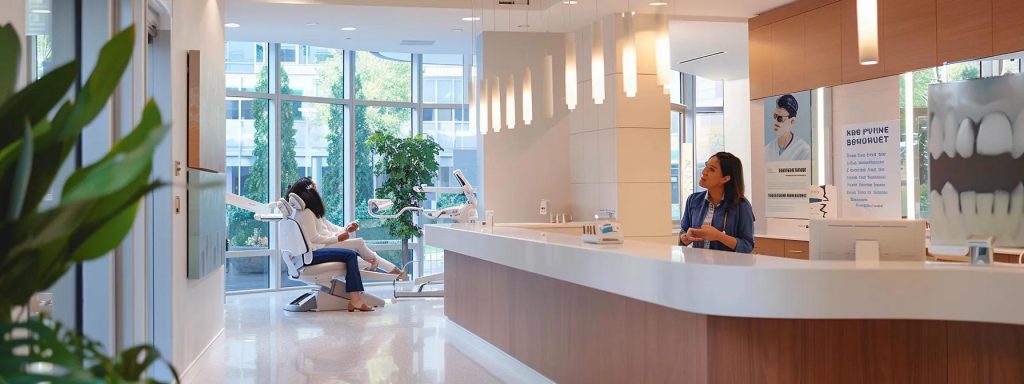
Finding a trustworthy dental professional, such as Magnolia Dental, is critical to maintaining your oral health and ensuring you receive top-quality care. With many options available and varying levels of expertise, selecting the right dentist can seem overwhelming. This article breaks down the process into clear steps, helping readers understand how to evaluate dentists using recommendations, background checks, office visits, and practical considerations. Whether you need regular check-ups or specialized procedures like gingivectomy or orthodontics, learning how to pick a good dentist will streamline your search and ease any anxiety related to dental appointments. Initiating Your Search to Find a Good Dentist Begin your search by gathering recommendations from multiple trusted sources. Seeking recommendations from family, friends, and even healthcare professionals provides insight into a dentist’s reputation within the community. It is important to consider personal experiences and word-of-mouth referrals as patients often share details about dental hygiene, comfort during procedures, and overall office reputation. Seek Recommendations From Trusted Sources Reach out to family members, friends, and coworkers who have had positive experiences. Trusted sources may also include local healthcare providers who are familiar with dental ethics and treatment styles. A personal recommendation can offer honest insights into a dentist’s skill set, including their proficiency in procedures such as endodontics or cosmetic dentistry. This direct approach reduces uncertainty and helps you compile an initial list of good candidates. Use Online Directories to Locate Dental Professionals Online directories managed by reputable organizations like the American Dental Association offer searchable databases. These directories provide detailed information on dental certifications, specialties such as pediatric dentistry, and even patient reviews. Filtering your search by dental office accessibility and insurance acceptance ensures that the dentist can meet your specific practical needs like timely emergency treatments or in-office appointments. Consult Local Dental Societies for Listings Local dental societies can be a reliable source for verifying a dentist’s credentials. They often maintain updated listings of board-certified professionals and ensure that dentists adhere to a high ethical standard. These societies also host community events and seminars that might highlight the best practices in dental care, including advanced treatment techniques like laser dentistry. Identify What Matters Most in Your Dental Care Provider Before setting up consultations, it is essential to pinpoint your personal needs. Consider factors such as the type of dental services you require—from routine exams and cleanings to specialized procedures like dental implants and prosthodontics—and the approach to patient comfort. Understanding your priorities will help you narrow your list to dentists who excel in the areas most important to you. Examining a Dentist’s Qualifications and Background It is crucial to thoroughly examine a dentist’s background and qualifications to ensure they have the proper credentials and experience. This involves verifying current licensure, reviewing educational history, and confirming board certification, which collectively confirm that the dentist is both current and capable of performing complex procedures. Confirm a Dentist’s Current Licensure Always start by checking that the dentist’s license is valid and in good standing with state dental boards. A current license not only verifies their ability to practice but also reflects ongoing education and adherence to dental ethics. This confirmation can include using state online registries to cross-check certification details. Review Their Educational and Training History A dentist’s training background provides important context about their expertise. This review might include considering where they attended dental school, the extent of their residency programs, and any further specialization in fields like endodontics or orthodontics. The quality of dental school education and continuing education efforts is a strong indicator of a professional’s commitment to excellence. Check for Board Certifications or Specializations Board certification or additional specializations indicate that a dentist has chosen to advance their knowledge in specific areas, such as pediatric dentistry or cosmetic dentistry. This demonstrates a commitment to the highest standards of care. Certifications are critical when considering advanced procedures like dental implants or gingivectomy, ensuring that the professional has met rigorous testing and clinical performance demands. Read Online Patient Feedback and Ratings Patient reviews can highlight the dentist’s strengths and weaknesses from a real-world perspective. It is useful to read multiple reviews to obtain an overall picture of reliability and quality. These insights may mention appointment punctuality, office environment, or even experiences during complex treatments like root canals or prosthodontic repairs. Ask About Their Experience With Specific Procedures During consultations, ask targeted questions regarding their experience with the procedures you require. A dentist who frequently performs services, such as orthodontic treatments or dental implant installations, is likely to be more efficient and have better outcomes. This conversation provides assurance that they can competently handle your dental needs. Evaluating the Dental Office and Atmosphere The environment of a dental clinic plays an important role in your overall experience and comfort. A well-run office with modern equipment and a friendly atmosphere can significantly reduce patient anxiety and improve treatment outcomes. Assess the Clinic’s Location and Office Hours for Convenience Accessibility is key when planning for regular dental check-ups or emergency visits. Consider whether the dental office is conveniently located near your home or workplace and if the operating hours align with your schedule. This practical consideration is especially important for dental emergencies and routine cleaning appointments. Observe the Office for Cleanliness and Modern Equipment A first-hand visit to the clinic allows you to determine whether the facilities meet high standards of cleanliness and up-to-date technology. Modern equipment not only indicates that the dentist invests in current dental innovations but also suggests a commitment to providing effective treatments. Advanced technologies like digital x-rays and laser treatments are positives that correlate with improved patient outcomes and less discomfort. Note the Professionalism and Demeanor of the Staff The attitudes of the front office staff and dental assistants are reflective of the overall practice culture. A courteous, knowledgeable team contributes substantially to patient comfort. Observing how they handle appointments, answer queries about dental insurance, and manage patient concerns will help you gauge the level of service you can expect during your visits. Inquire
How Long Does a Dentist Appointment Take?
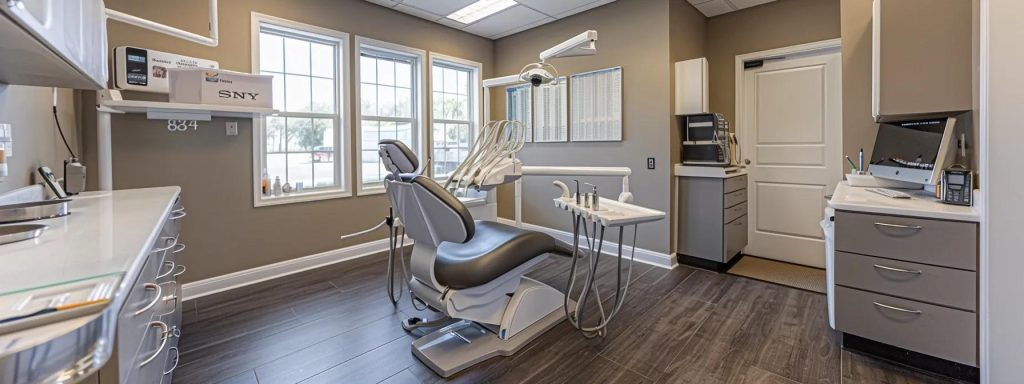
Dentist appointments can vary significantly in duration based on several factors inherent to the patient’s needs, the procedures being performed, and the clinic’s operating protocols. Whether a patient is there for a routine cleaning or a more advanced procedure such as a crown placement or dental implant surgery, the time spent in the dental office is influenced by disease management, oral hygiene maintenance, and the overall efficiency of the dental practice. In many cases, dental appointments are scheduled to accommodate procedures ranging from a simple checkup to emergency treatment for toothache or injury. While dental hygienists and dentists strive to streamline patient flow, scheduling conflicts, clinical emergencies, or complexities in treatment may extend appointment times. Furthermore, considerations such as dental insurance verification, the patient’s history of tooth decay, or previous dental procedures can play a role in determining appointment length. This article explores the various factors that influence the duration of a dental visit, the differences in timing between preventive care and more intricate surgical procedures, and strategies that patients can employ to manage their time effectively during appointments. Understanding these aspects can help patients better prepare and set realistic expectations regarding their dental care visits. Transitioning from this general overview, the following sections delve deeper into the key factors that determine how long a dentist appointment takes. Factors That Influence Dentist Appointment Duration Understanding the duration of a dentist appointment begins with analyzing multiple factors that directly impact the time required for treatment. One of the primary influencers is the type of dental service being provided. Whether it is a routine cleaning, an emergency extraction, or cosmetic dentistry such as veneers and crowns, each procedure has its own set time requirements. In many clinics, procedures that require intricate work such as dental implants, endodontic treatments (root canals), or even simple fillings for tooth decay may involve preparatory stages, detailed precision work, and follow-up instructions. The Impact of Service Type on Appointment Length The service type is a critical determinant because more complex procedures take longer to complete. For instance, a basic dental cleaning might last 30 to 45 minutes, whereas procedures like placing a crown, dental implant surgery, or prosthodontic work can extend the appointment up to two hours or more. Studies have found that advanced surgical procedures benefit from pre-procedure diagnostic testing and intra-operative care, thereby increasing the appointment duration. Dental clinics that handle a wide range of services must often factor in the potential overlap of treatments and emergencies. Additionally, the distinction between a simple restorative procedure and more complex cosmetic dentistry affects the time needed not only in execution but also in the planning and follow-up phases. Such nuances are critical, especially when patients are managing conditions like periodontal disease or chronic toothache that require meticulous work. The Role of Clinic Workflow and Scheduling Policies Efficient scheduling and workflow within a dental clinic are crucial components that impact appointment durations. Clinics with state-of-the-art technology may integrate digital imaging and electronic dental records to accelerate the consultation and treatment planning process. Moreover, clinics that adopt a systematic patient flow—where administrative tasks such as insurance verifications and patient paperwork are completed before the treatment starts—tend to reduce waiting times and overall appointment length. For example, clinics that have experimented with pre-appointment online check-ins often report a 15% decrease in appointment time, allowing more focus on preventative and restorative care. In contrast, clinics with manual paperwork processing may inadvertently extend the patient’s time in the office. A streamlined workflow helps to balance the operational pressures in busy practices, ensuring that procedures such as radiology or cosmetic consultations flow seamlessly into treatment sessions. How Treatment Complexity Affects Timing Treatment complexity is another vital aspect that contributes to the length of a dental appointment. Simple treatments like routine examinations generally require less time compared to multifaceted procedures such as multi-rooted extractions or the placement of multiple crowns. The degree of complexity can further be affected by the patient’s medical and dental history. For example, patients with a history of chronic dental disease, multiple restorations, or complicated bone structure may need more extensive diagnostic evaluations. In certain cases, if the patient is undergoing advanced dental treatments like prosthodontics or surgical implants, additional factors such as sedation or specialized anesthetic protocols need to be incorporated, leading to a longer session. Each layer of complexity is carefully managed by the dental team, which might include specialists such as oral surgeons or periodontists, to ensure thorough care and reduce the likelihood of invasive complications or the need for repeat appointments. Patient Health History and Appointment Preparation The preparation for a dental appointment often starts well before the patient steps into the clinic. A patient’s general health history, including systemic diseases like diabetes or heart conditions, can significantly alter the treatment timeline. For example, individuals with compromised immune systems might require additional screenings and consultations to prevent complications during procedures. Dental appointments for these patients might include extensive reviews of previous treatments, medication logs, and insurance verifications to ensure that all risks are managed effectively. This preparation process can add time to the overall appointment duration but is essential for a safe and effective treatment. Furthermore, patients with a history of dental anxiety or those requiring sedation must allocate additional time for pre-procedure relaxation and post-procedure recovery. These considerations highlight the importance of personalized treatment protocols that adapt to the unique health histories of patients, which not only ensures a higher quality of care but also manages time more efficiently during busy clinical hours. Variations in Appointment Length for Different Dental Procedures The length of a dentist appointment can vary considerably depending on the dental procedure being performed. Not all treatments are created equal—ranging from quick preventive visits to more elaborate restorative or surgical interventions. Understanding these differences is crucial for both patients and dental professionals when scheduling appointments and managing expectations. Routine Checkups and Cleaning Sessions Timing Routine checkups, including examinations and dental cleanings, are typically the shortest appointments, often lasting between 30 to